Skip to content

Tools

What it takes to get ready for the night

What you want within reach before you take the instrument out: the vocabulary, the catalogues, and where to look elsewhere.

By Gus

Before you go out

What you keep within reach

The one thing nobody tells you about and everybody does: charge it the night before.

Catalogues

The images, prefix by prefix

The photographs in the catalogue, filed under the prefix they carry. One and the same nebula often carries three names: they are not synonyms, they are three surveys made in three different periods, with three different aims.

Ciel profond : everything outside the solar system, the nebulae, the galaxies and the clusters.

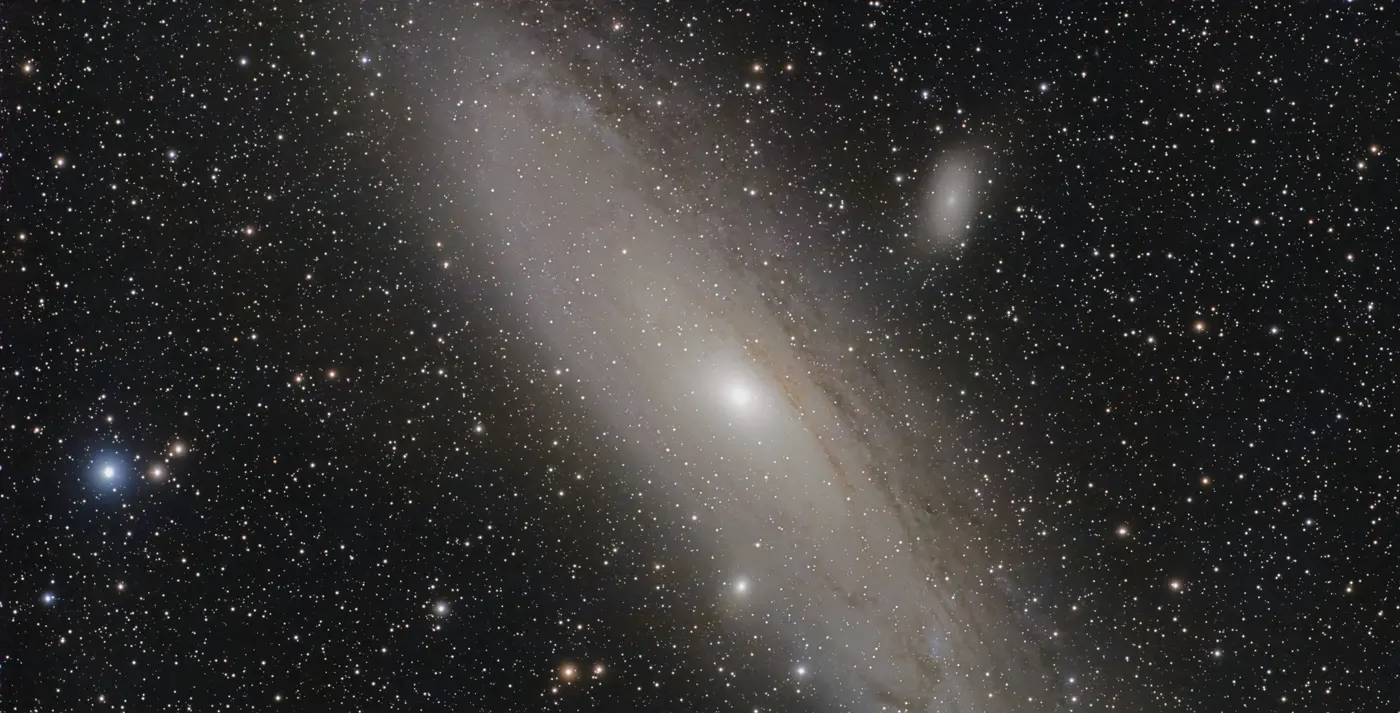
M31, Galaxie d'Andromède, in the constellation Andromeda

110 objects

Messier

Drawn up in the 18th century so as not to mistake these smudges for comets. Messier published 103 of them, taken to 110 in the 20th century. It remains the best list to start with: everything in it is within reach of a small instrument.

See the images Definition in the glossary
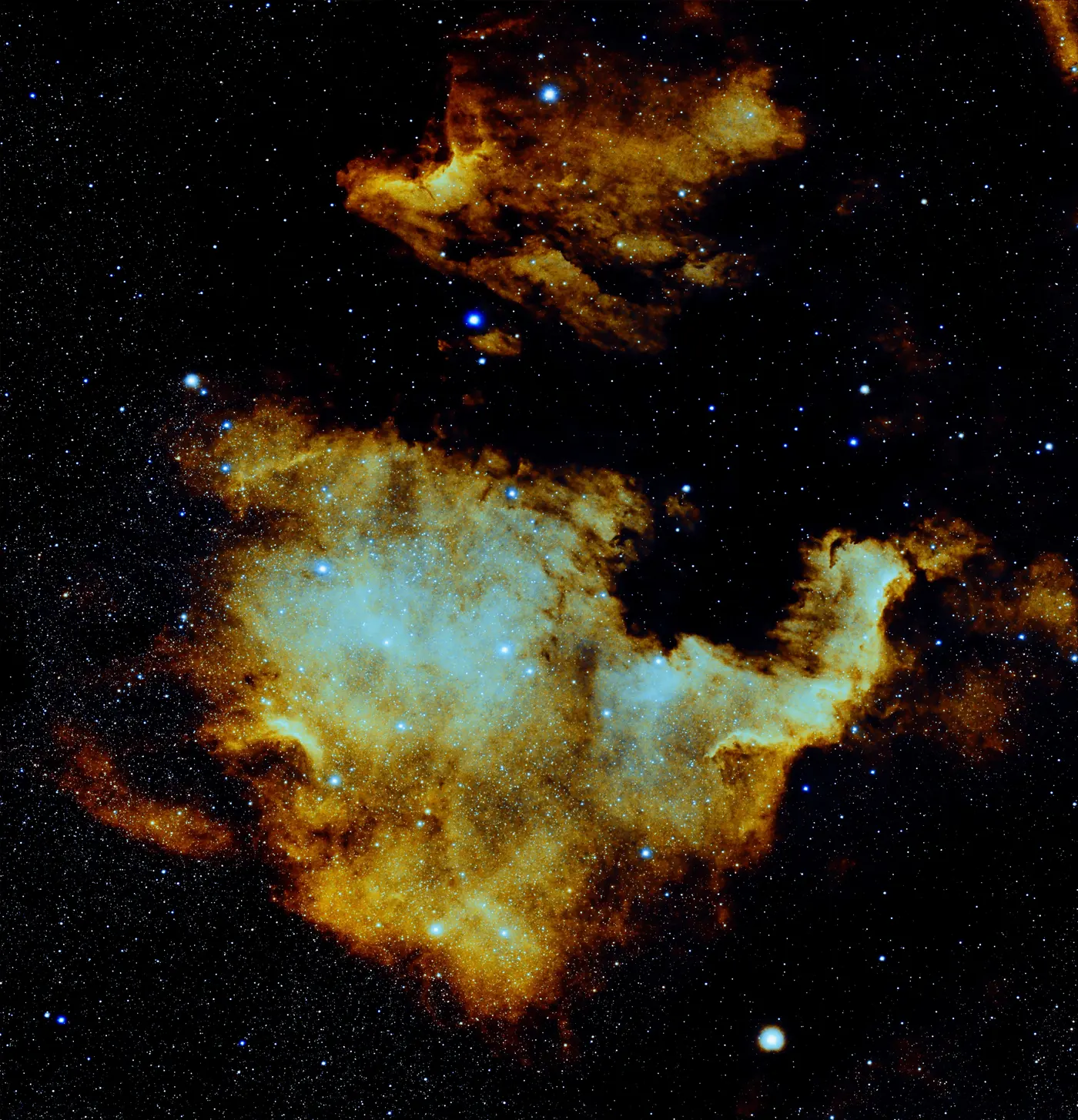
NGC 7000 · IC 5070, Amérique du Nord et Pélican, in the constellation Cygnus

7,840 objects

NGC

New General Catalogue, 1888. The reference catalogue of the deep sky, the one you come across most often in the apps.

See the images Definition in the glossary
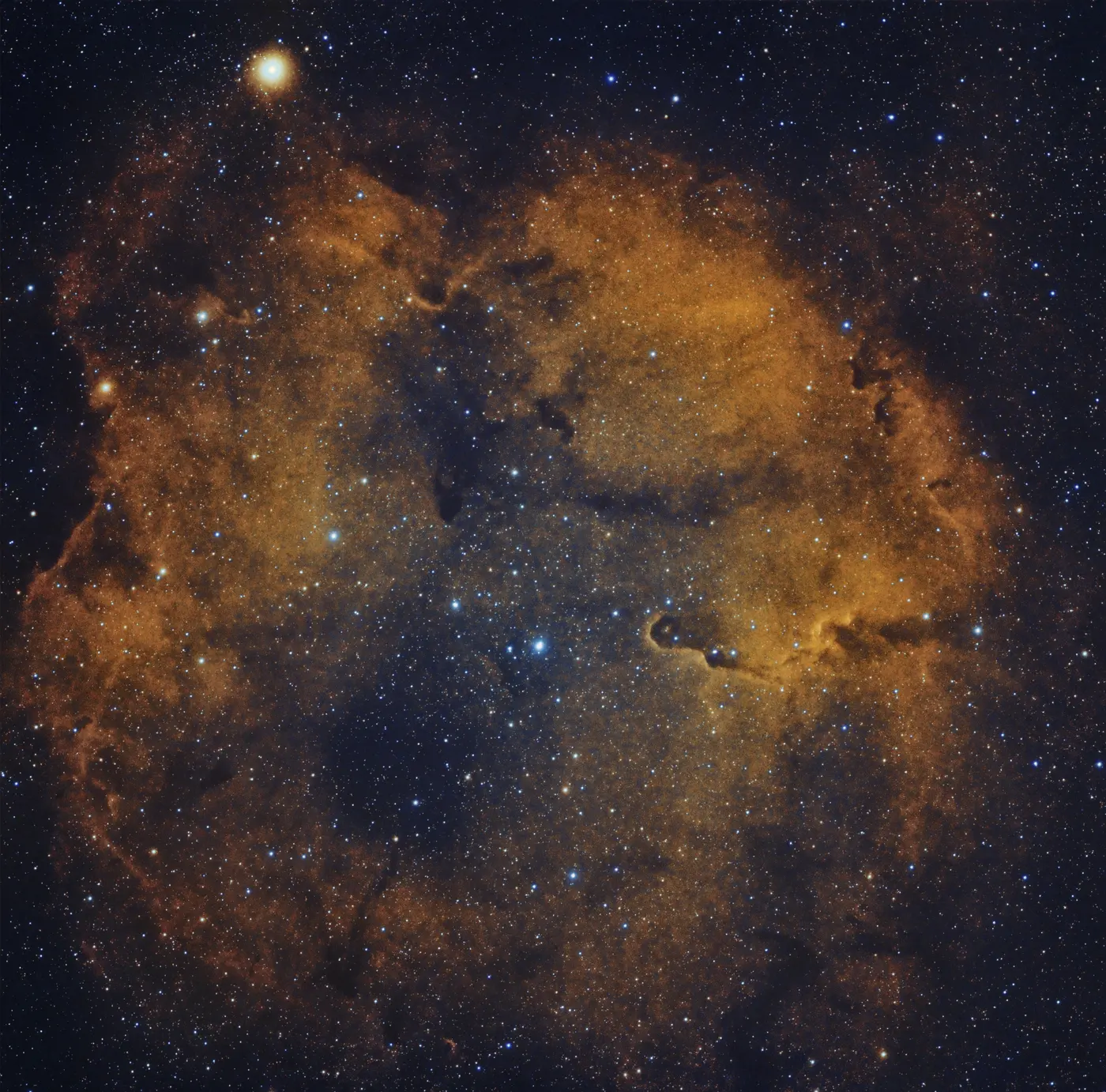
IC 1396, Nébuleuse de la Trompe d'Éléphant, in the constellation Cepheus

5,386 objects

IC

Index Catalogue, a supplement to the NGC published in 1895 and 1908. Objects that are generally fainter.

See the images Definition in the glossary
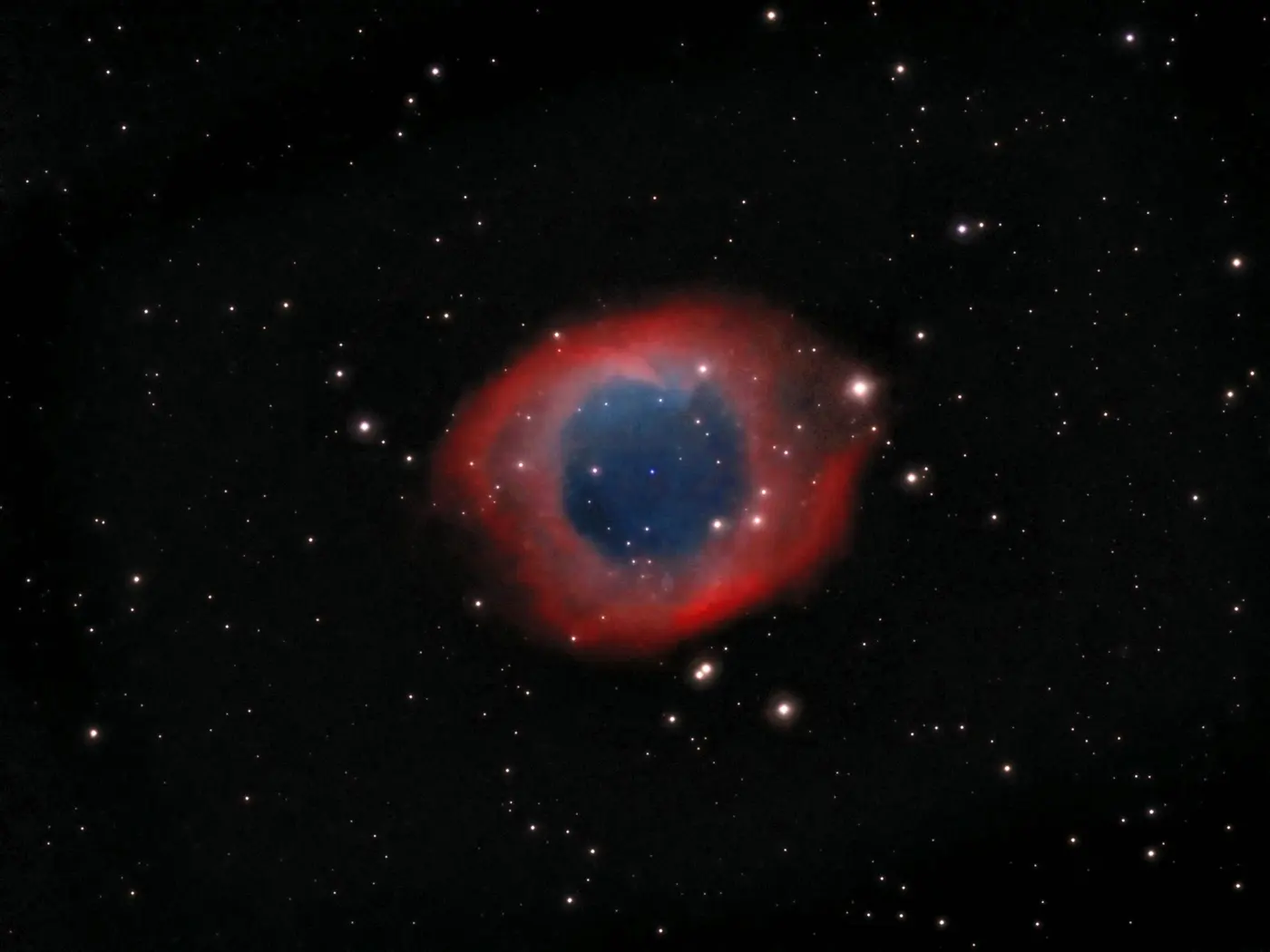
NGC 7293, Nébuleuse de l'Hélice, in the constellation Aquarius

109 objects

Caldwell

The bright objects Messier had left aside, listed by Patrick Moore in 1995. The natural next step after the Messiers.

See the images Definition in the glossary
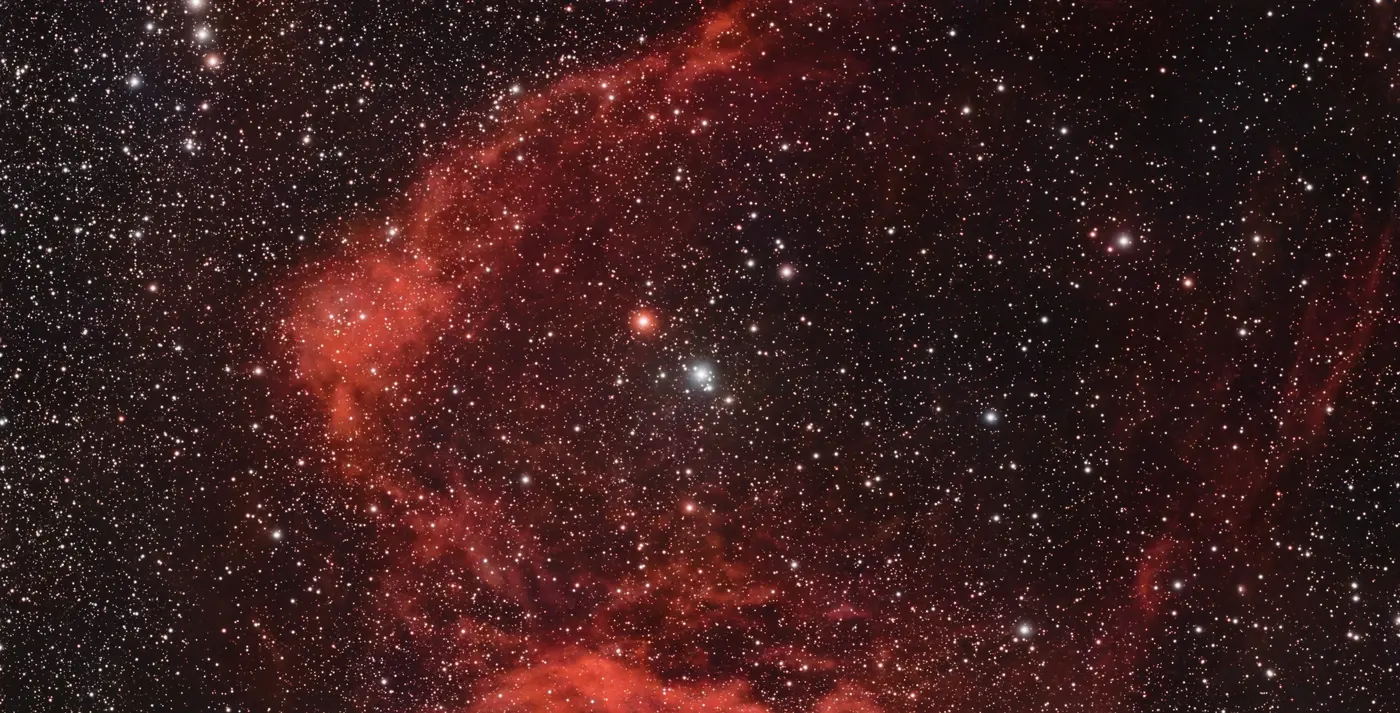
Sh2-129, Nébuleuse de la Chauve-Souris volante, in the constellation Cepheus

313 regions

Sharpless

Regions of ionised hydrogen. Very large and very faint: the home ground of the dual-band filter and of wide fields.

See the images Definition in the glossary

86 nebulae

Abell

Faint planetary nebulae. End of the road targets, which ask for hours of integration.

Definition in the glossary

Maps

Go and see the worlds

Earth, the Moon and Mars live in the same place: the “Space” panel of Google Maps.

From Europe, all three addresses open a Google cookie consent form first, in French. The map comes afterwards.

Images ©2026 NASA

Earth

The globe seen from the satellite, turned with a finger and taken all the way down to your own street. It is the Earth tab of the same panel, the one you go through to reach the other worlds.

Open on Google Maps

Images ©2026 NASA

The Moon

The seas and the craters, from Mare Imbrium to Mare Tranquillitatis, from Clavius to Montes Apenninus. The formations keep their Latin names, the rest of the map is in French.

Open on Google Maps

Images ©2026 NASA

Mars

The whole planet, from Acidalia Planitia to Hellas Planitia, with Cydonia and Syrtis Major Planum. Same image base, same panel, same credit.

Open on Google Maps

The same panel opens 21 bodies in all, every one of them named in French, from Mercure to Charon: the four moons of Jupiter, seven moons of Saturn, Vesta and Ceres. The names of the formations, for their part, stay in Latin on every map.

Two services in English show the same worlds with no cookie form: Stellarium Web, a planetarium that runs in the browser, and NASA Eyes, the solar system in three dimensions, which covers Earth, the Moon and Mars on its own.

Astrometry

Find out where an image is looking

You upload a photograph of the sky. The service recognises its stars and returns the calibration of the field: where it lies on the sky, its size and its orientation, with the list of the known objects it contains. This is plate solving, done online.

The service is in English. A simple upload needs no account: the image and its result can then be seen by everyone, and the image comes under the Creative Commons Attribution 3.0 licence.

Online service

nova.astrometry.net

  1. Upload an image of the sky, in JPEG, PNG, GIF or FITS.
  2. Wait for the service to recognise the field.
  3. Read its position, its size, its orientation and the objects it contains.

Open the service

Links

Where to look elsewhere

The channels and sites that follow smart telescopes, astrophotography and news of the sky.

Manufacturer sites

Astrophotography channels and sites