f/3.9 · Sony IMX347
eQuinox 2
A 114 mm Newtonian with enhanced vision: a mirror telescope, with no eyepiece. The image builds on the phone, minute after minute.
1h on l'Origin = 3h 09m here
- Aperture
- 114 mm
- Weight
- 9 kg
- Indicative price
- ≈ €2,599
France, Marseille · founded in 2015
The only device that also serves citizen science.
By Gus
A manufacturer based in Marseille. It launched the first consumer telescope with enhanced vision. The image stacks up live on the screen. Its strength is not optical, it is scientific. Every device sold forms part of an observing network. That network runs genuine campaigns with the SETI Institute: asteroid occultations, exoplanets, planetary defence.
recorded first hand In this catalogue: 76 shots · 69 objects, 13 with their duration · 4h 08m
4h 08m
0 towards 204h · hours logged with this device
The range
Rapport d'ouverture : the focal length divided by the diameter, written f/, and the smaller that number, the faster the image forms. Monture azimutale : it moves in altitude and in rotation, but the field turns during the night.
f/3.9 · Sony IMX347
A 114 mm Newtonian with enhanced vision: a mirror telescope, with no eyepiece. The image builds on the phone, minute after minute.
1h on l'Origin = 3h 09m here
f/3.8 · Sony 3.4 Mpx, 1.45 µm photosites
An 85 mm Newtonian with enhanced vision: Unistellar's compact format. Four kilos of tube, instead of the nine of the eQuinox 2. Only the Origin is faster.
1h on l'Origin = 2h 59m here
This equivalence says nothing about resolution, about the field or about optical quality: f/2,2 on 152 mm and f/5,3 on 30 mm do not photograph the same objects. Worked out from the published focal ratios alone, with sensor, sky and target held identical.
Images made with this brand
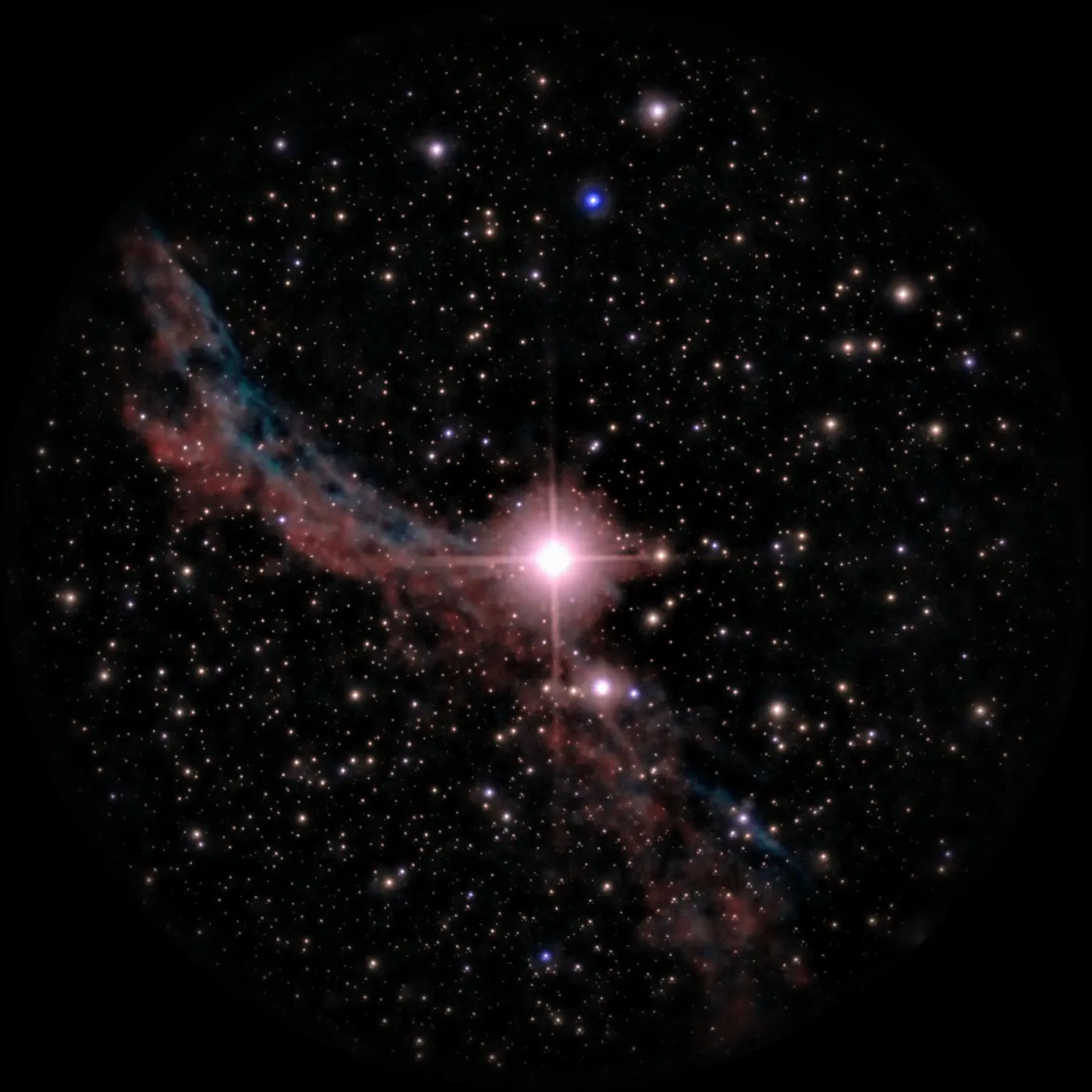
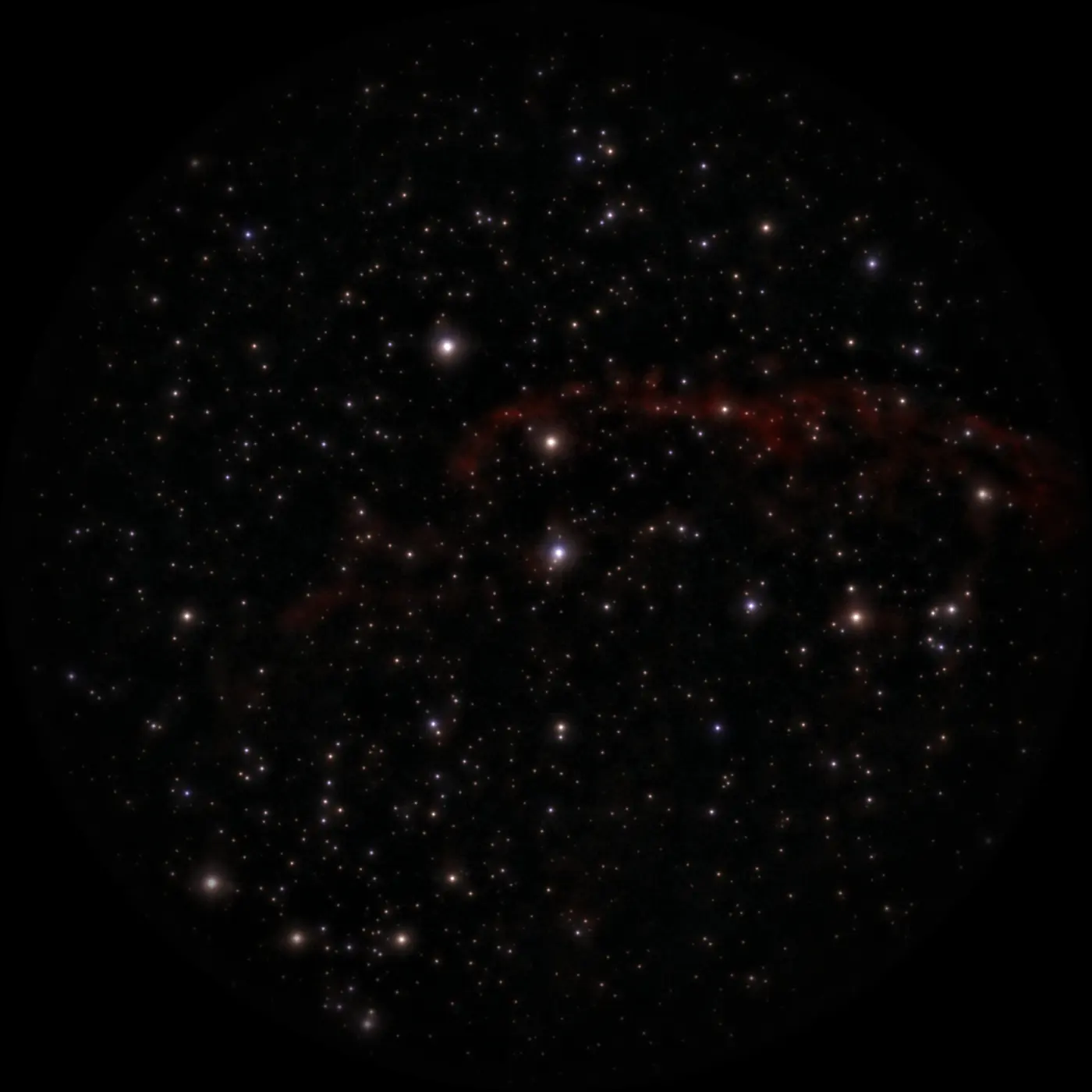
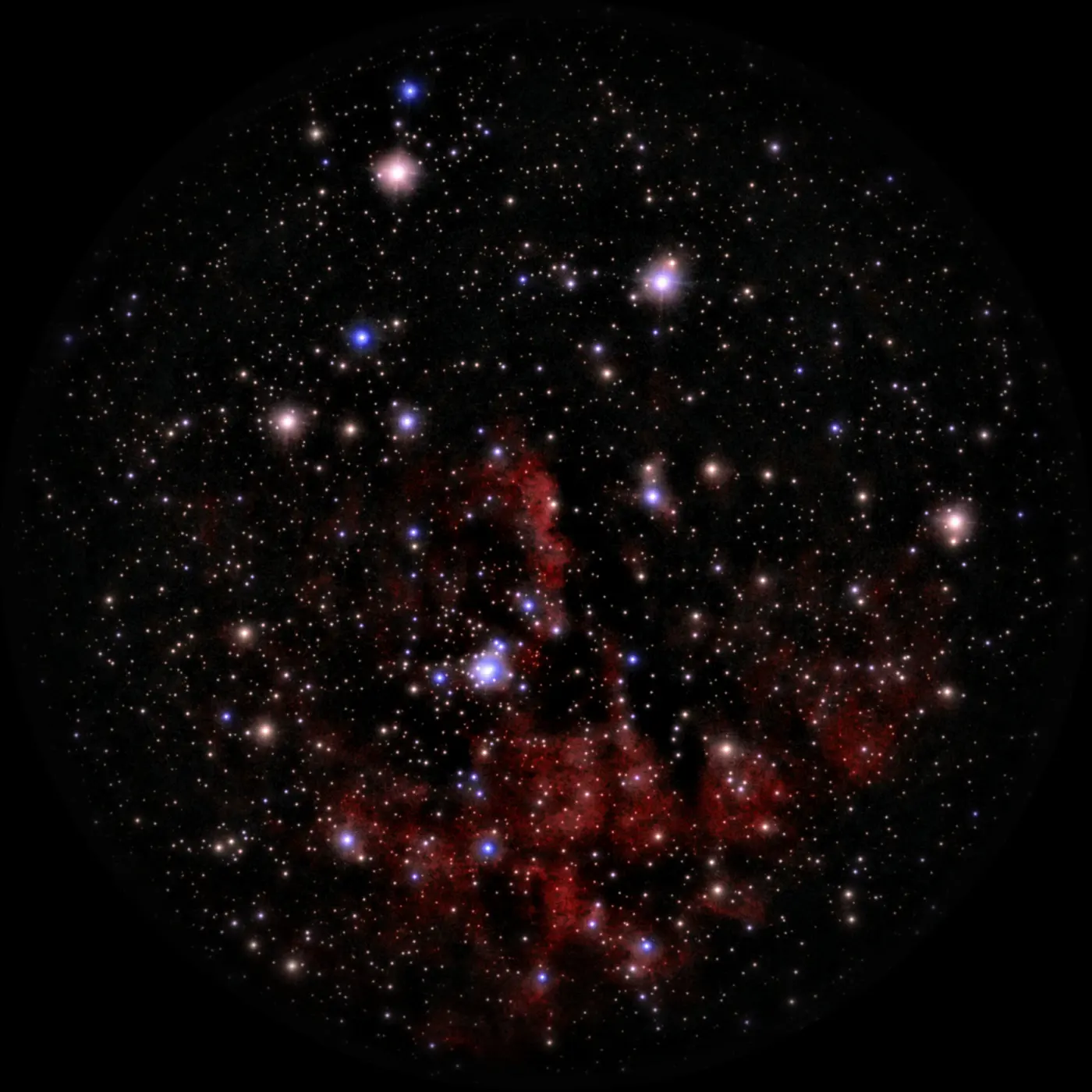
All these images are mine. Each thumbnail keeps the aspect ratio of its sensor: the shape of the frame says which instrument the photograph was made with.
Following this brand
Here is how this page is made, and where its figures come from.